Black spot piranha
Pygocentrus caribaGeographic Region: Tropical freshwaters of South America
Isn’t it wild? The Black Spot Piranha (scientific name Pygocentrus cariba), also commonly known as the Caribe, is one of the most famous and aggressive members of the piranha family. Native to the Orinoco River basin in South America, particularly in Venezuela and Colombia, they are distinguished by a prominent dark spot just behind their gill covers.
Because they rely on their razor-sharp teeth for survival, piranhas have evolved the ability to replace their teeth in “blocks.” Instead of losing one tooth at a time, they lose an entire side of their jaw’s teeth at once, with a brand-new, pre-sharpened set already waiting underneath to slide into place!
Details
Length: 11 inches
Weight: 1.2 – 5lbs
Fish, birds, benthic crustaceans, insects, aquatic vegetation
Least Concern
Faces of the Rainforest
Exhibit information
Journey to the Amazon rainforest! Do you hear that sound? That’s a howler monkey’s call, often heard at a distance of up to two or three miles away!
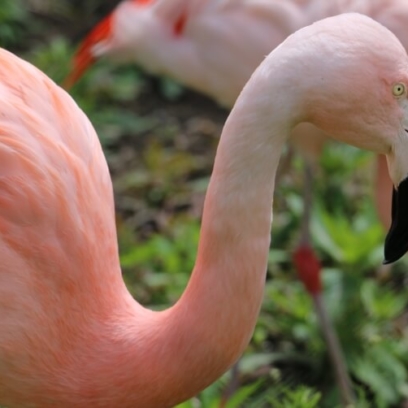
Some of the fascinating creatures you’ll discover in the Zoo’s awe-inspiring Faces of the Rainforest exhibit include some of your old favorites like the giant anteater, Chilean flamingos, and white-faced saki monkeys. Whether you’re interacting with toucans and troupials (troupials are a large passerine bird species found in Central America and tropical South America) inside the exhibit’s free-flight aviary or viewing a massive anaconda and stunning tropical fish, this immersive wildlife experience will take you on a journey to the depths of the Amazon Rainforest. Visitors will discover how these diverse species—big and small—create the complex ecosystem on which rainforests thrive, and what we can all do to ensure their survival.
Did you know that 80% of rainforest deforestation is caused by agriculture? Natural habitat is being destroyed to clear land for ranches and plantations. But simply by choosing to purchase sustainably grown products, you can make a difference.
One way to help protect the rainforest is to “Follow the Frog”! Just look for the Rainforest Alliance seal on products ranging from bananas and chocolate to coffee and flowers. Click HERE for a list of Rainforest Alliance certified products