
Ossabaw Island Hog
Sus scrofa scrofa ossabaw islandGeographic Region: Native to Ossabaw Island off the coast of Georgia.
Isn’t it Wild? These pigs are known for their small size, black or spotted coats, and remarkable hardiness. They are well-adapted to the harsh island environment and have a unique genetic makeup that makes them resistant to many common pig diseases.
Details
Length: 5 ft.
Weight: Females 100-150 lbs; Males 200 lbs
herbivore diet with vegetables.
Critically Endandered
Farmyard
Exhibit information
Live like a local farmer! The Farmyard, designed to look like a typical Rhode Island farm, celebrates the diversity of farms throughout the state. The various elements within the exhibit immerse families in farm life; teaching them about a farmer’s day-to-day work, the reasons farmers love farming, and the challenges farmers face. Children can partake in play-based activities at the milking station sponsored by Monroe Dairy, or at the egg collection station sponsored by Little Rhody Farms, as well as growing a garden and then selling the produce. Visitors can even interact with live animals in The Goat Yard. In addition, the Bank RI Farmhouse Stage features seasonal Wild Bunch performances, as well as entertainment during the Zoo's special events.
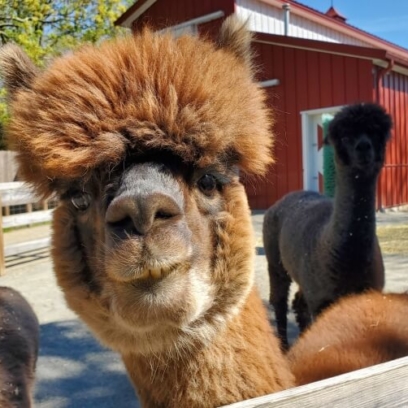
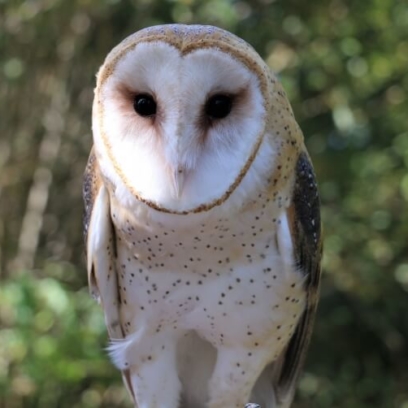
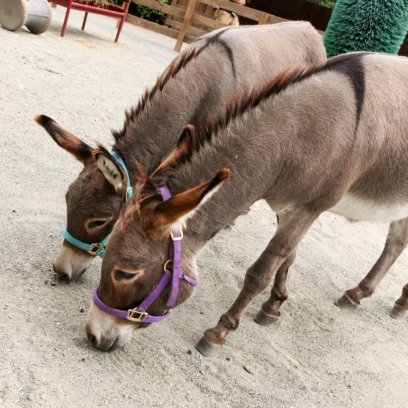
The Farmyard is home to a variety of domestic farm animals including goats, sheep, alpacas, and pigs as well as the non-domesticated barn owl. Barn owls are key farm inhabitants as they play a significant role in controlling rodent populations.
You have the power to reduce pollution and build your local economy – it’s easier than you might think!
Eating & Buying Local - Why Should I Buy Local?
- Shopping locally keeps money in the community instead of sending it out of the area or overseas.
- You’re eating fresher, healthier food because it gets to market faster and loses fewer nutrients.
- The environment benefits because shipments require less transportation and therefore use less fossil fuel.
Where Can I Buy Local?
- Farmers’ Markets: These are where farmers set up booths to sell their produce and other products from their own farms. They have regularly scheduled days and times.
- Farm to Table Restaurants: Explore restaurants that focus on dishes made from local, seasonal produce.
- Community Sponsored Agriculture (CSA): A CSA works by a farmer selling a set number of “shares” to the public; in exchange each shareholder receives a box of farm-fresh food on a regular basis.
- Your Grocery Stores: Stores are increasingly supporting local farms and showcasing locally grown produce. Keep a lookout for the signs around the store